







Search Results for: Coffee liquid blending
Espresso and Pour-Over Coffee Liquid Blending Methods: A Comprehensive Analysis of Ratio Options and Practical Parameters
Coffee blending usually refers to mixing different coffee beans, but have you ever thought about blending separately brewed coffee liquids? This approach is not only feasible but also extremely flexible—each bean can be extracted individually using its optimal parameters, then blended in proportions as needed, trying different combinations in small batches. Front Street Coffee uses Xizhua and Guodingding as examples to share specific ideas for coffee liquid blending: beans with a heavier fermented character paired with washed-process coffee can both balance the fermented notes and improve cleanliness. The article provides detailed flavor descriptions for two blending ratios, 1:1 and 1:2.5, along with brewing parameters and key operational points, suitable for coffee enthusiasts to try at home. [more…]
What exactly is a Piccolo Latte? A comprehensive analysis of this mini milk coffee, from espresso extraction to milk foam ratio
On the menus of specialty coffee shops, the Piccolo latte is appearing with increasing frequency. This mini milk coffee, with a capacity of only about 3 ounces, is defined by its use of Ristretto as the base, making it far more concentrated than a regular latte. So what exactly is the difference between Ristretto and regular espresso? What coffee beans should be chosen to make a Piccolo latte? And how should the ratio of milk to coffee liquid be balanced? Starting from Front Street Coffee's extraction practices, this article will break down the key points of making a Piccolo latte one by one, while also recommending espresso blend options suitable for espresso extraction, to help you make a cup of mini latte with balanced flavor. [more…]

A Detailed Explanation of the Principles and Methods of Americano Latte Art: Using Foamed Coffee Liquid Instead of Milk, Including a Practical Guide with Front Street Classic Blend
Latte art has always been regarded as the exclusive domain of lattes, but Americano can actually achieve beautiful patterns too. This article starts from the basic principles of latte art—the proteins in milk wrap around air to form a low-density foam, which floats on the surface of espresso crema to create patterns—and then leads into the feasibility of using the coffee liquid itself to foam instead of milk. We will share in detail how to froth espresso by adding ice water to increase the liquid volume and lower the temperature, and provide a complete hands-on demonstration using Front Street Classic Blend. Finally, we compare the differences in flavor, strength, and mouthfeel between latte-art Americano and regular hot Americano, offering coffee enthusiasts a completely new way to experience Americano. [more…]
Beginner's Guide to Home Espresso Machines: Setting the Brew Ratio, Extraction Steps, and the Advantages of Espresso Blends for Lattes
For beginners who are just getting into coffee making and want to craft a delicious latte at home, choosing an espresso blend bean is often more foolproof than going with a single-origin bean. Blends combine flavors from multiple regions, and with a medium-dark roast they produce rich crema, offer high tolerance for error, and come at a friendly price—making them especially suited for milk-based coffee. This article uses Front Street Coffee's classic blend as an example to break down the espresso extraction process on a home coffee machine in detail: from the 1:2 coffee-to-liquid ratio of extracting 40 grams of liquid from 20 grams of grounds, to the 26–32 second time control, and then to the specific methods for distributing the grounds, tamping, and adjusting the grind size. It also explains the origins of espresso blends, helping beginners understand why both cafés and homes favor blend beans. [more…]
Espresso Coffee Bean Brand Recommendations | What Coffee Beans Are Good for Espresso? What Factors Affect the Taste Characteristics of ESPRESSO?
Front Street Espresso is a coffee beverage with a strong taste. It is made by forcing hot water at around 92 degrees Celsius, under 9 bars of high pressure, through finely ground coffee powder to extract the coffee liquid. Many customers are at a loss when buying coffee beans and don't know how to choose. Front Street [more…]
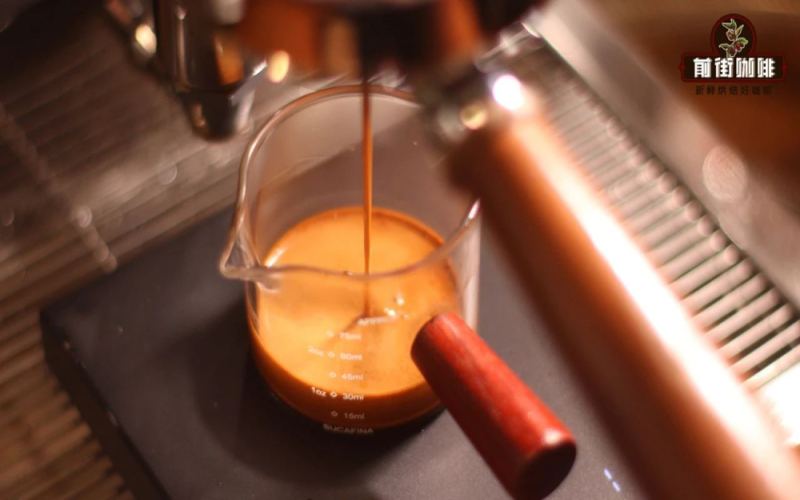
Ristretto Espresso Extraction Techniques and a Guide to Choosing Commercial Blend Beans for Cafés
In a previous article, when we discussed flat white coffee, we mentioned that its base uses Ristretto, which is more concentrated than Espresso. This time, let's focus specifically on the Ristretto extraction method. It is often called extra-concentrated coffee or ristretto, and like Espresso, it comes from an Italian coffee machine, but the extraction process is restricted, resulting in a very different flavor profile. This article will introduce the definition of Ristretto, its differences from Espresso, suitable medium-to-dark roast blend beans, and recommendations for two classic Italian-style beans from Front Street Coffee. It will also share specific extraction parameters, such as using 20 grams of grounds and extracting only 28 grams of coffee liquid within 20 to 25 seconds, to help you make rich and full-bodied ristretto at home or in a shop. [more…]

How to Extract Espresso? A Full Analysis of Dose-to-Yield Ratio, Grind Size, and Extraction Time
To make a decent espresso at home, you need to get three things straight: how much coffee you use, how much liquid you extract, and how fine you grind. The standard reference is a 1:2 coffee-to-liquid ratio—about 9 grams of coffee yielding 18 grams of liquid for a single shot, and 18 grams of coffee yielding 36 grams for a double, with the actual output fine-tuned to taste. As for grind size, watch the flow rate: if it runs fast, grind finer; if it runs slow, grind coarser, until the extraction time falls within the right range. The roast level of the beans also matters a lot—medium-dark roasts and darker make it easier to achieve a balanced flavor. Drawing on the real-world parameters of Front Street Coffee's classic blend, this article lays out the extraction logic clearly in one go. [more…]
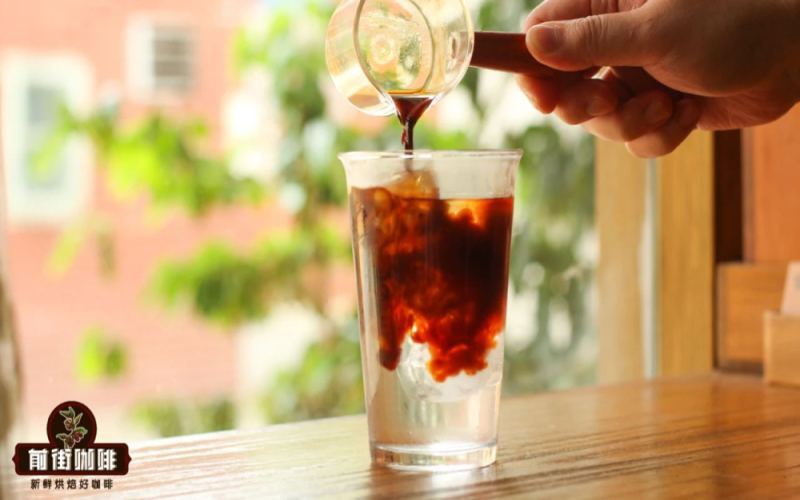
How to Choose Americano Coffee Beans That Aren't Sour? A Full Analysis of Hot vs. Cold Differences and Pour-Over Comparison
When many people drink Americano, their biggest concern is whether it is sour or bitter, and this is actually closely related to the choice of coffee beans, the extraction method, and the drinking temperature. Starting from Front Street Coffee's brewing experience, this article systematically sorts out the relationship between espresso and Americano, explains in detail the differences in flavor expression between hot Americano and iced Americano, analyzes the common reasons why Americano tastes bitter, and compares pour-over and SOE Americano made separately from the same Costa Rica Mozart coffee beans. Finally, according to different needs, it introduces the characteristics of several Front Street espresso blend coffee beans to help you find the Americano beans that suit your taste. [more…]
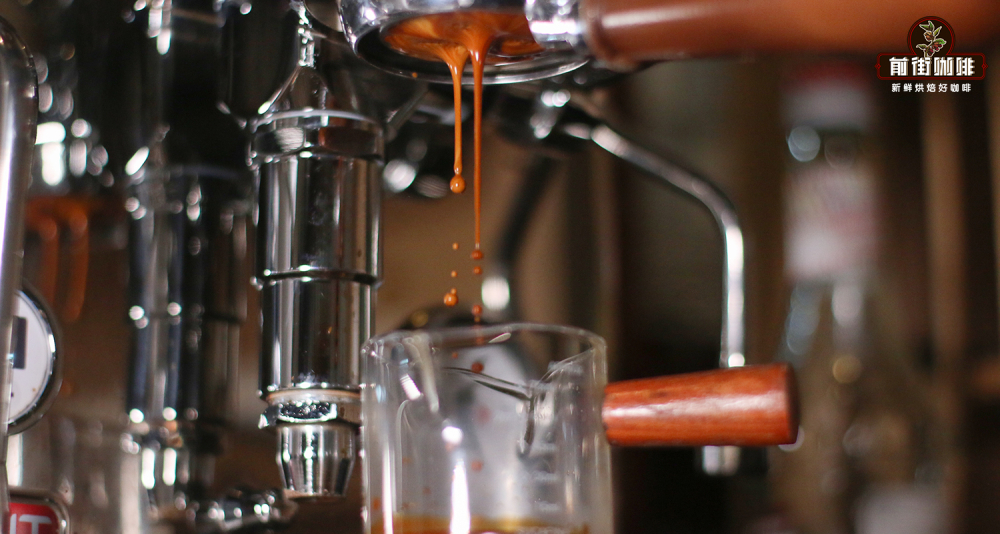
Espresso Extraction Principles | What techniques are there for extracting delicious espresso? Recommended dark chocolate nutty espresso blend beans
For more specialty coffee knowledge, please follow our WeChat official account: FrontStreet Coffee. Italy is a country of coffee culture. The espresso that has spread across the globe is the soul of coffee and a treasure Italy has given to the world. Espresso, as the name suggests, is a [more…]
Espresso Extraction Principles and Tasting Guide: From Americano Differences to Front Street Coffee Blend Bean Production Process
Espresso is the foundation of the Italian beverage system, and Americano, latte, cappuccino, flat white, and mocha are all derived from it. This article centers on the extraction principles of espresso, sorts out its historical origins and flavor differences with Americano, and introduces in detail the positioning and characteristics of four espresso blend beans from FrontStreet Coffee. At the same time, the article also compiles reference standards for Italian-style extraction such as dose, liquid weight, and time, explains TDS measurement and the calculation method for extraction yield, and finally includes the seven-step espresso-making process and extraction scheme used in FrontStreet stores, for coffee enthusiasts to systematically understand the making and tasting of espresso. [more…]
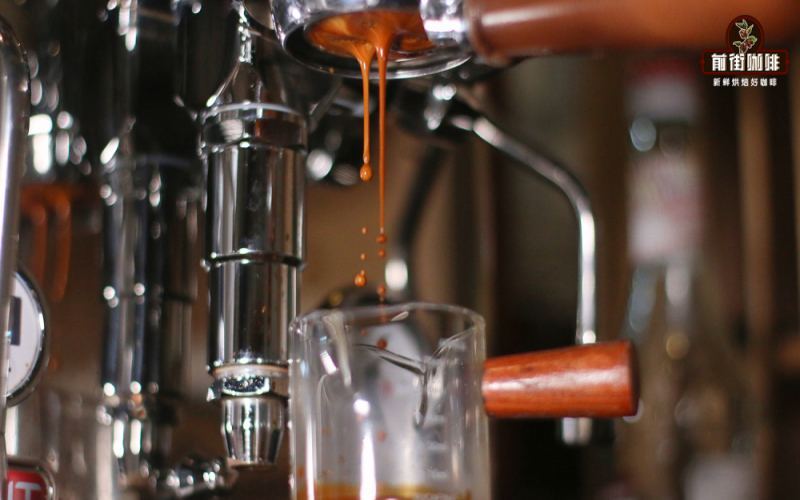
Espresso Extraction Ratios and Parameter Control: The Influence of Blend Selection and Roast Degree on Extraction
Espresso is Italy's gift to the world of coffee, renowned for its short extraction time and intense flavor. But pulling a good shot of espresso is no easy task—grind size, water temperature, extraction time, and the coffee-to-water ratio all require precise calibration. This article focuses on the extraction ratio as its core variable, laying out the logic behind the dose-to-yield ratio, the effect of grind coarseness on flow rate and flavor, and how to respond to changes in weather and bean conditions by adjusting dose, grind size, and yield. It also explains how roast level affects extraction stability, and includes the flavor profiles and reference extraction recipes for several of Front Street's espresso blends, helping coffee enthusiasts understand the principles behind the parameters. [more…]

The Ultimate Latte Guide | What's the Correct Coffee-to-Milk Ratio for a Latte? How Can Coffee Beginners Make a Delicious Latte at Home?
For a delicious latte, Front Street believes the most important factors are the quality of the coffee beans and milk, the ratio of coffee to milk, and the extraction and integration process. First point: choose suitable ingredients. Why is a latte so simple? Basically, every coffee bean menu has it as a staple, yet every shop's latte doesn't taste exactly the same. [more…]
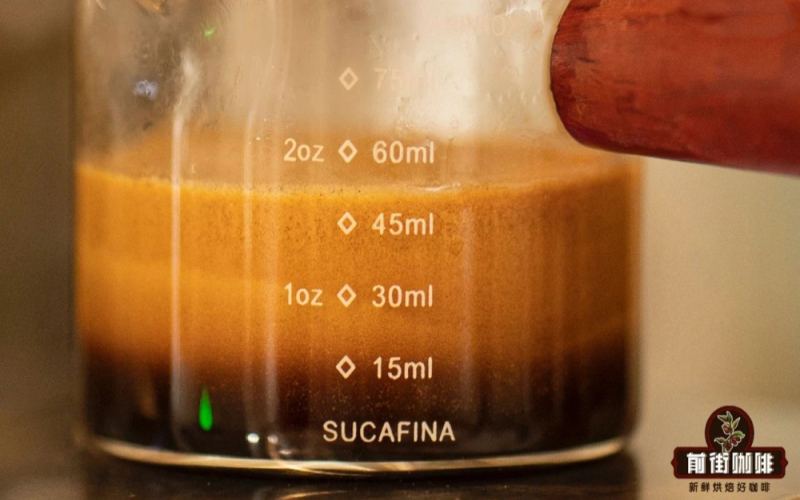
From Espresso Extraction Standards to Americano: Understanding the Essential Difference Between Italian and American Coffee in One Article
What exactly is the difference between espresso and Americano? This is a common question for many coffee enthusiasts when they first enter the world of specialty coffee. From the perspective of Front Street Coffee, this article systematically sorts out the origin and evolution of espresso, explains in detail the five core parameters of coffee grounds dose, brew ratio, extraction time, pressure, and water temperature, and, combined with the actual serving experience of Front Street stores, introduces the flavor characteristics of espresso blend beans such as Sunflower Warm Sun, Specialty Blend, and Dark Cocoa. Finally, it clarifies the fundamental difference in preparation methods between espresso and Americano, providing coffee enthusiasts with a complete and practical knowledge reference. [more…]
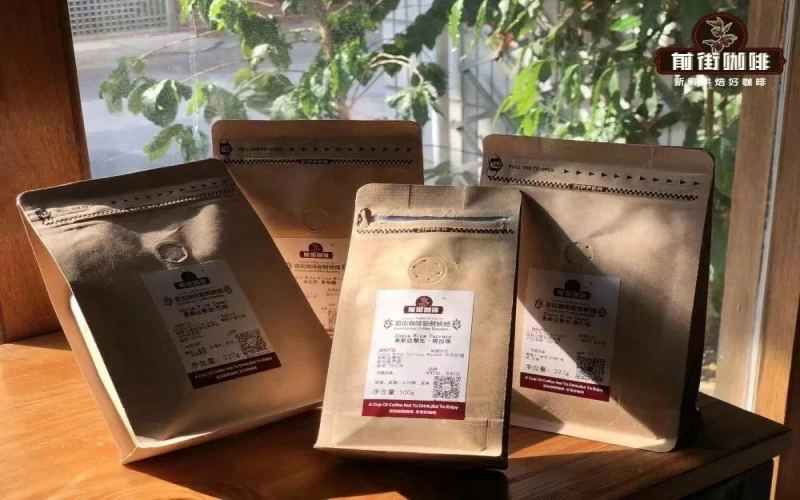
Five Key Steps for Italian-Style Blend Coffee Beans and a Full Analysis of Making Americano and Latte with Espresso
In the specialty coffee wave, single-origin beans are highly sought after, but the value of blend beans should not be underestimated. From the perspective of Front Street Coffee, this article systematically outlines the five major steps of espresso blending, explores why blending can create flavors that single-origin beans cannot achieve, and emphasizes the importance of consistent output for roasters. It then demonstrates in detail how to extract espresso using Front Street Sunflower · Warm Sun espresso blend beans, and extends to the production ideas for Americano and latte. Whether you are a coffee enthusiast or a professional, you can gain practical reference on blending logic and extraction practice from it. [more…]
A Complete Guide to Espresso Blend Formulation: From the Five Key Steps to Hands-On Espresso Extraction
In the wave of specialty coffee, single-origin beans are certainly highly sought after, but the value of blend beans should not be underestimated either. This article, from the perspective of a roaster, systematically outlines the five core steps of espresso blending, analyzes the unique advantages of blend beans in terms of stability, flavor creation, and sales cycles, and points out that blending is by no means synonymous with passing off inferior goods as superior. Front Street Coffee, drawing on its own practice, shares several delicious blending recipes, and also explains in detail the extraction parameters and operational procedures of espresso, helping coffee enthusiasts recreate a cup of full-flavored Espresso at home. [more…]
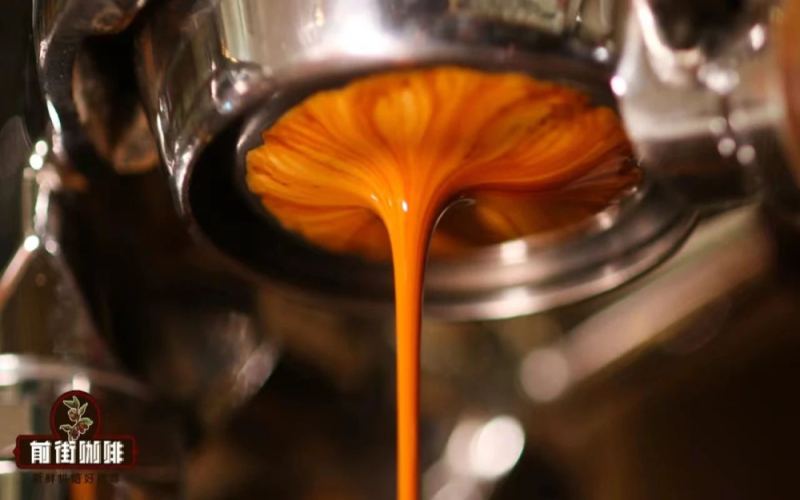
SOE Single-Origin Espresso vs. Blended Espresso: Brewing Parameters, Flavor Profile, and Preparation Explained
In specialty coffee drinks, espresso is the foundation that determines flavor. In recent years, SOE (Single Origin Espresso) made from single-origin coffee beans has gradually become popular. It differs noticeably from traditional blended espresso in bean selection, roast level, extraction parameters, and flavor expression. This article will start from the definition of SOE, compare the characteristics of blended coffee beans, analyze why SOE has become popular, and use the washed Front Street Gedingding beans from Ethiopia's Yirgacheffe region as an example to fully demonstrate the production process and extraction parameters of a cup of SOE espresso, while also providing a flavor description to help coffee enthusiasts fully understand this brewing method. [more…]
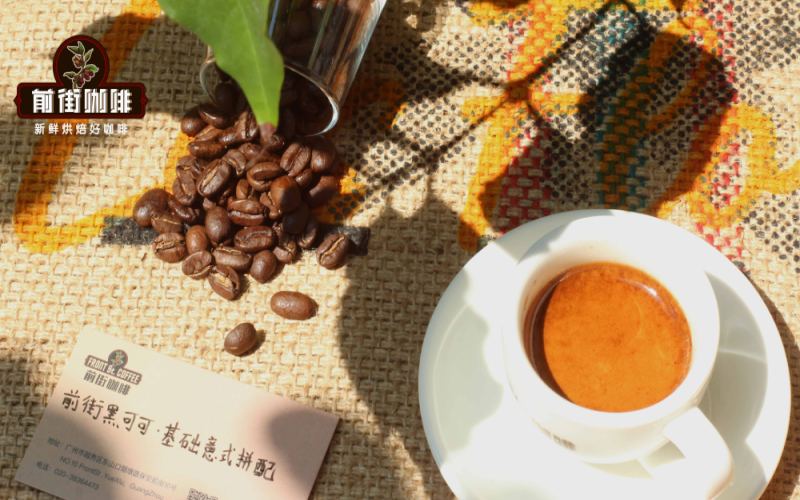
Bean Selection Guide for Making Americano with a Home Espresso Machine: A Full Breakdown of Brewing Parameters for Blends and Single-Origin Beans
To make a crisp, easy-drinking Americano at home with a coffee machine, choosing the right beans is the first step. An Americano is essentially espresso diluted with water, so the roast level and flavor profile of the beans directly determine success or failure. This article focuses on the home setting, first explaining why espresso beans are suitable for making Americanos, then offering specific recommendations in three directions: medium-roast blends, medium-dark roast commercial blends, and medium-roast single-origin SOE, including Front Street Coffee Strawberry Candy, Front Street Coffee Commercial Blend, Front Street Coffee Huakui, and Front Street Coffee Yirgacheffe Red Cherry, along with corresponding parameters for dose, extraction time, liquid weight, and water dilution ratio, so readers can follow them directly according to their taste. [more…]
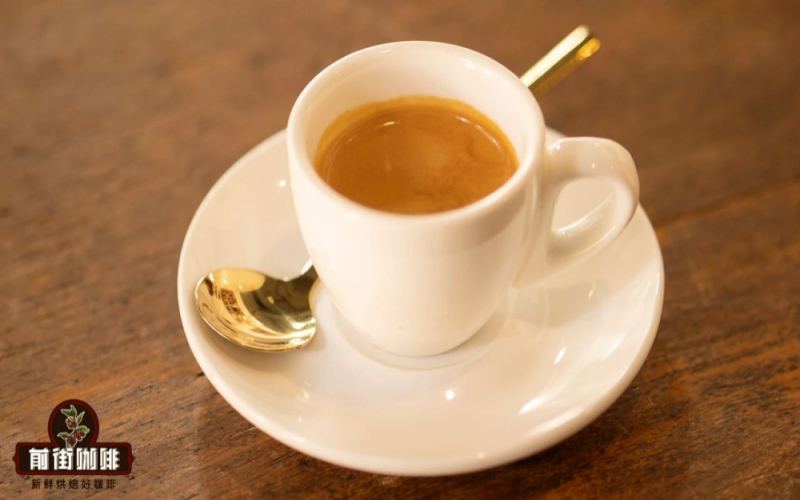
A Detailed Guide to Espresso Making Standards and Extraction Parameters, and a Buying Guide for Front Street Coffee's Espresso Blend Beans
As the soul of a café's offerings, espresso's preparation process and extraction standards have always been a focal point for coffee enthusiasts. Starting from international technical standards, this article will provide a detailed interpretation of how the six major extraction parameters—dose, ratio, time, flow rate, pressure, and water temperature—affect espresso flavor, helping readers understand how to make a proper Espresso. At the same time, the article will introduce several espresso blend coffee beans currently sold by Front Street Coffee, including Black Cocoa Blend, Specialty Blend, Commercial Blend, and Strawberry Candy Blend, covering specific recipes, flavor descriptions, and suitable applications. Finally, we will also remind everyone to pay attention to the roasting date and optimal flavor period when purchasing coffee beans, ensuring that every cup of coffee can present its best state. [more…]
Standard Espresso Extraction Parameters and Brewing Methods, Front Street Espresso Blend Bean Buying Guide
Espresso is the foundation of café offerings and the subject many coffee enthusiasts delve into at home. How much dose, what water temperature, and how much pressure does a qualified Espresso actually require? How should extraction time and ratio be controlled? Starting from Front Street Coffee's hands-on experience, this article systematically sorts out the technical standards and extraction parameter logic of espresso, and introduces in detail the recipes, flavors, and suitable scenarios of four espresso blend coffee beans under Front Street, covering Dark Cocoa Blend, Specialty Blend, Commercial Blend, and Classic Blend. At the end, it also includes notes on purchasing coffee beans to help readers enjoy the best flavor within the peak flavor period. [more…]
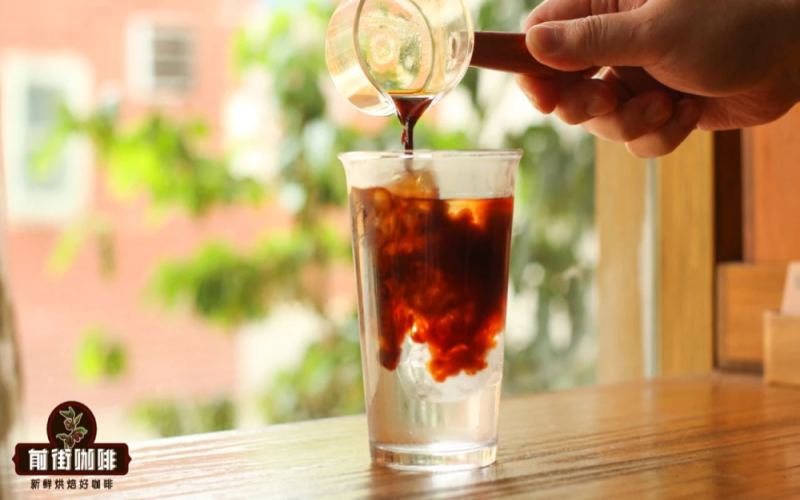
American Coffee Bean Recommendations | Which Coffee Beans Make American Black Coffee Not Sour? Should Pour-Over Coffee and American Coffee Be Drunk Hot or Cold?
This article is a Americano brewing tutorial from Front Street Coffee (FrontStreet Coffee). Before the article begins, let me first explain what espresso is, what Americano is, what pour-over is, and what black coffee is. Espresso refers to the concentrated liquid extracted by an espresso machine, most [more…]